


Does Air Conditioning Cost a Lot of Electricity?
Air conditioning is a vital part of our lives, especially during hot summer months. It keeps us comfortable and helps maintain a pleasant indoor environment. However, concerns about energy consumption and electricity costs often arise when considering air conditioning installation or repair services. In this blog, we will explore the question: Does air conditioning cost a lot of electricity? We’ll delve into various factors that influence energy usage, the importance of energy-efficient cooling solutions, and tips for optimizing your air conditioning system’s energy consumption.
| Unit Size | Hourly cost |
|---|---|
| 2.00kw | 0.07p |
| 2.50kw | 0.08p |
| 3.50kw | 0.10p |
| 5.00kw | 0.16p |
| 7.00kw | 0.23p |
| 10.00kw | 0.38p |
Understanding Energy Consumption of Air Conditioning:
Air Conditioning Installation:
When opting for an air conditioning installation, choosing the right system for your needs is crucial. Different types of systems, such as central air conditioning, ductless mini-split units, or heat pumps, have varying energy efficiency ratings. Consulting professional air conditioning installers in Wales such as ACLC Air Conditioning, can help you select the most suitable option for your home or business.Energy-Efficient Cooling Solutions:
Investing in energy-efficient air conditioning systems can significantly reduce electricity costs. Look for units with high Seasonal Energy Efficiency Ratio (SEER) or A+++ ratings, which indicate greater energy efficiency. These systems are designed to cool your space effectively while consuming less electricity, ultimately saving you money in the long run.HVAC Maintenance and Tune-ups:
Regular HVAC maintenance, including AC tune-ups and inspections, is crucial for optimal energy efficiency. Professional HVAC troubleshooting can identify and resolve any issues that might affect your system’s performance and energy consumption. Maintenance tasks like air duct cleaning, thermostat repair, and AC compressor upkeep can improve airflow, reduce energy waste, and enhance overall efficiency.Indoor Air Quality and Energy Efficiency:
Improving indoor air quality not only promotes healthier living but also impacts energy consumption. When your air conditioning system is clean and operates efficiently, it doesn’t have to work as hard to maintain comfortable temperatures. This leads to reduced energy usage and lower electricity costs.Managing Electricity Costs:
Programmable Thermostats:
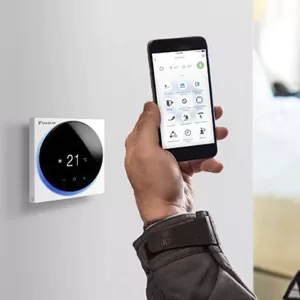
Installing programmable thermostats allows you to set temperature schedules based on occupancy. This prevents unnecessary cooling when no one is at home or during cooler parts of the day, reducing electricity consumption.
Air Conditioning Service Contracts:
Consider signing up for air conditioning service contracts with our reputable company and we cover Swansea and other areas of Wales. These contracts often include routine maintenance visits, priority service for emergency AC repairs, and potential discounts on parts or labor. Regular maintenance ensures optimum efficiency and can help identify potential problems before they become major issues.
Air Conditioning Technology:
Air Conditioning offers both cooling and heating capabilities, making them energy-efficient alternatives. By using less consumpion due to its A+++ rated system and the system would only kick in when the room needs drops in temperature. Air Conditioning can reduce electricity consumption compared to traditional heating methods during colder months.
Conclusion
While air conditioning does consume electricity, the cost can be effectively managed through various measures. Proper air conditioning installation, routine HVAC maintenance, and choosing energy-efficient cooling solutions are key factors in reducing electricity expenses.
Additionally, optimizing indoor air quality and implementing smart practices, such as programmable thermostats, can contribute to energy savings. By working with professional air conditioning installers and following these guidelines, you can enjoy the comfort of air conditioning while minimizing its impact on your electricity bills.
Remember, for air conditioning installation or repair services in Wales, it’s essential to consult experienced professionals who can guide you toward energy-efficient solutions that suit your specific needs.
RUNNING COSTS FAQ’S
While air conditioning does consume electricity, the cost can be effectively managed through various measures. Proper air conditioning installation, routine HVAC maintenance, and choosing energy-efficient cooling solutions are key factors in reducing electricity expenses. Also by implementing smart practices, such as programmable thermostats, can contribute to energy savings. By working with professional air conditioning installers and following these guidelines, you can enjoy the comfort of air conditioning while minimizing its impact on your electricity bills.
To reduce your carbon footprint from your air conditioning system, there are several steps you can take. Firstly, prioritize energy-efficient cooling solutions by choosing air conditioning systems with high SEER ratings. Regular maintenance, such as cleaning or replacing air filters, ensures optimal performance and energy efficiency. Additionally, utilize programmable thermostats to set temperature schedules that align with your needs and reduce unnecessary energy consumption. Improve insulation in your home to minimize heat transfer, reducing the workload on your AC. Supplement cooling with natural ventilation or fans whenever possible to decrease reliance on AC. Lastly, consider exploring renewable energy options, such as solar-powered AC systems, to further reduce the carbon emissions associated with your air conditioning.
To effectively monitor the running costs of your air conditioning system, there are a few key steps you can take. Start by keeping track of your energy usage by reviewing your utility bills regularly. This will provide insights into your AC’s impact on your overall energy consumption. Consider installing a smart or programmable thermostat that provides energy usage data and allows you to monitor and control your AC remotely. You can also utilize energy monitoring devices that provide real-time data on energy consumption specifically for your air conditioning system. By combining these approaches, you can gain better visibility into the running costs of your air conditioning system and make informed decisions to reduce energy usage.
The cost of running air conditioning varies depending on several factors such as the size of the space being cooled, the energy efficiency of the system, local electricity rates, and individual usage patterns. While air conditioning can contribute to electricity costs, implementing energy-saving practices can help mitigate expenses. Using programmable thermostats to adjust temperatures when the space is unoccupied, maintaining regular AC maintenance to ensure efficiency, improving insulation, and opting for energy-efficient AC units with high SEER ratings are all measures that can help reduce the running costs of air conditioning. Ultimately, by employing energy-efficient practices and utilizing modern technologies, the cost of running air conditioning can be managed effectively.
If you require air conditioning services that cater to various budgets and needs, AC LC Air Conditioning is here to assist you. Our experienced team is ready to provide expert guidance and assistance in the installation, maintenance, or emergency repair of AC systems in domestic or commercial settings. Feel free to get in touch with our specialist team for professional advice tailored to your specific requirements.


