


The Real Cost of Running an Air Conditioning Unit: A Case Study
In a bid to shed light on the expenses associated with air conditioning, I recently conducted a personal experiment. Focusing on my 3.5 kW Fujitsu wall-mounted unit, I set out to measure its actual running cost over a 24-hour continuous operation. The findings are both enlightening and eye-opening.
Initial Cost and Daily Accumulation
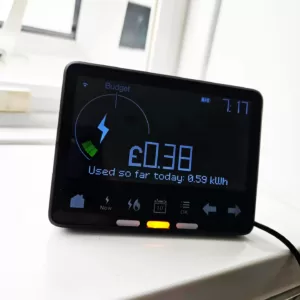
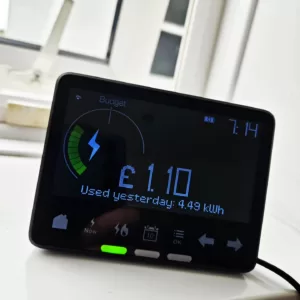
At the start of the experiment, the pre-test cost was recorded as £0.38p. Over the course of the first day, from 7:17 am to 7:14 am the following day, the cumulative cost reached £1.10p. By factoring in the additional £0.38p incurred before the test and we also deducted use for a washing machine, electric hob, oven and fridge freezer, the total cost of running the air conditioning unit for 24 hours was calculated as £0.35p.
| Day | Cost (GBP) |
|---|---|
|
Day 1 - Before the test
|
0.38p
|
|
Day 2 - Air Con running all day
|
£0.35p
|
|
Day 3 - Air Con running all day
|
£0.40p
|
|
Day 4 - Air Con running all day
|
£0.27p
|
Implications and Insights
Understanding the factors affecting costs. There are several factors that contribute to the overall expenses of running an air conditioning unit. It’s important to consider the following elements when evaluating the financial impact:
1. Duration of Operation
The longer the air conditioning unit operates, the greater the accumulated cost. Monitoring usage time can help users make informed decisions about when to switch off the unit. However, most units have thermostats that can be set to only kick into operation when the temperature drops. Timers can also be set up so they only operate at certain times.
2. Unit Capacity:
The specific capacity of the air conditioning unit, such as the 3.5 kW Fujitsu wall-mounted model in this case study, plays a role in determining energy consumption and costs. Higher capacity units may consume more electricity. The capacity is normally measured by the area volume, type of system and unit count.
3. Energy Efficiency:
The energy efficiency rating of an air conditioning unit affects its operational costs. Units with higher energy efficiency ratings can help reduce electricity consumption and subsequently lower expenses. Most air con units are A++ rated.
4. Concurrent Appliance Usage:
The simultaneous use of other appliances, such as cooking appliances or electronic devices, can impact the overall energy consumption of a household. Being mindful of these additional loads can help manage costs effectively.
Conclusion
Making Informed Decisions for Cost-Effective Cooling
The experiment revealed that running a 3.5 kW Fujitsu wall-mounted air conditioning unit continuously for 24 hours resulted in a cost of £0.35p. These findings emphasize the significance of energy consumption awareness and highlight the importance of optimizing air conditioning usage for a balance between comfort and cost-effectiveness.
By understanding the factors influencing costs, such as duration, unit capacity, energy efficiency, and concurrent appliance usage, individuals can make informed decisions about their air conditioning usage. This knowledge empowers users to save energy, reduce their environmental impact, and manage their expenses effectively.
Taking advantage of these insights, individuals can strike a balance between maintaining a comfortable indoor environment and controlling air conditioning costs. By optimizing usage patterns and implementing energy-efficient units.
Air conditioning units offer several benefits over traditional gas heating systems. Firstly, air conditioning provides efficient cooling during hot summer months, creating a comfortable indoor environment. It helps regulate the temperature and reduces humidity levels, preventing issues like mould and mildew. Additionally, air conditioning units can also provide heating functionality, ensuring year-round comfort. Unlike gas heating, air conditioning systems do not rely on combustion, eliminating the need for fuel storage or combustion-related safety concerns.
They are also more energy-efficient, allowing for precise temperature control and reducing energy costs. Furthermore, air conditioning units offer flexibility, as they can be easily installed in various settings, from residential homes to commercial spaces. Overall, air conditioning units provide a reliable, versatile, and energy-efficient solution for both cooling and heating needs, surpassing the limitations of gas heating systems.


